Physical Address
304 North Cardinal St.
Dorchester Center, MA 02124
Physical Address
304 North Cardinal St.
Dorchester Center, MA 02124


A complete guide to supplements for women's health, covering women’s health supplements, hormone balance tips, PCOS support, and foods that help balance hormones with trusted medical resources.
Quick Summary
This guide explains how supplements for women's health support energy, immunity, bone strength, and hormonal balance. It covers essential women’s health supplements, how to balance hormones naturally, foods that help balance hormones, and PCOS management, along with safe supplement use and trusted medical resources.
Featured Snippet:
The best supplements for women’s health include a women-specific multivitamin, vitamin D for bone and immune support, omega-3 fatty acids for heart and brain health, magnesium for stress and sleep support, probiotics for gut health, and iron for women with low levels. These supplements for women's health work best when combined with a balanced diet, regular exercise, quality sleep, and stress management to naturally support hormone balance.
Women’s health is complex, dynamic, and constantly evolving throughout life. From adolescence to pregnancy, from career-driven years to menopause and beyond, a woman’s body has unique nutritional and hormonal needs. While a balanced diet and healthy lifestyle form the foundation of wellness, modern life often makes it difficult to meet every nutritional requirement through food alone. This is where supplements for women health can play a supportive role.
In this comprehensive guide, we will explore the most important women’s health supplements, how they support the body, and how supplements and women’s health strategies work best when combined with proper nutrition, exercise, and stress management. We will also cover how to balance hormones naturally, answer the common question of how do you balance your hormones, and review foods that help balance hormones. Along the way, you will find links to trusted scientific and medical resources to support the information provided.
Women have different biological needs than men. Hormonal cycles, menstruation, pregnancy, breastfeeding, and menopause all influence nutrient requirements. For example, women often need more iron than men during their reproductive years, while calcium and vitamin D become increasingly important as bone density naturally declines with age.
Busy schedules, dietary restrictions, stress, and environmental factors can make it difficult to consistently get all essential nutrients from food alone. In this context, supplements for women health can help fill nutritional gaps and support overall wellness. However, supplements should never replace a healthy diet; instead, they should complement it.
According to the National Institutes of Health (NIH), dietary supplements can be useful when used appropriately, but they should be chosen carefully and based on individual needs [1].
Understanding how supplements and women’s health work together allows women to make informed, safe, and effective choices for long-term well-being.
Women’s health supplements are designed to support areas such as:
It is important to remember that each woman’s needs are different. Age, lifestyle, diet, activity level, stress, and medical history all play a role in determining which supplements are most appropriate. Consulting a healthcare professional before starting any new supplement regimen is strongly recommended.
The U.S. Food and Drug Administration (FDA) provides guidance on safe supplement use here [2].
Below is a detailed look at some of the most commonly recommended supplements for women health, supported by scientific research and clinical use.
A high-quality multivitamin is often considered the foundation of a supplement routine. It helps cover small but important nutrient gaps that can occur even with a balanced diet.
Benefits include:
Women-specific formulas often contain higher amounts of iron, folate, and certain B vitamins to match female nutritional needs.
Resource: NIH Multivitamin and Mineral Supplements [3].
Iron is essential for carrying oxygen in the blood and supporting energy levels. Women who menstruate, are pregnant, or have heavy periods are at higher risk of iron deficiency.
Benefits include:
However, iron should not be taken without medical advice, as excess iron can be harmful.
Resource: NIH Iron Fact Sheet [4].
Bone health is a major concern for women, especially after the age of 30 and during and after menopause. Calcium is the primary mineral in bones, and vitamin D helps the body absorb calcium effectively.
Benefits include:
Resource: NIH Calcium Fact Sheet [5].
Resource: NIH Vitamin D Fact Sheet [6].
Omega-3 fatty acids, particularly EPA and DHA, are known for their role in heart, brain, and inflammatory health. They are especially beneficial for women who do not eat fatty fish regularly.
Benefits include:
Resource: NIH Omega-3 Fatty Acids [7].
Magnesium is involved in hundreds of biochemical reactions in the body, yet many people do not get enough of it from their diets.
Benefits include:
Resource: NIH Magnesium Fact Sheet [8].
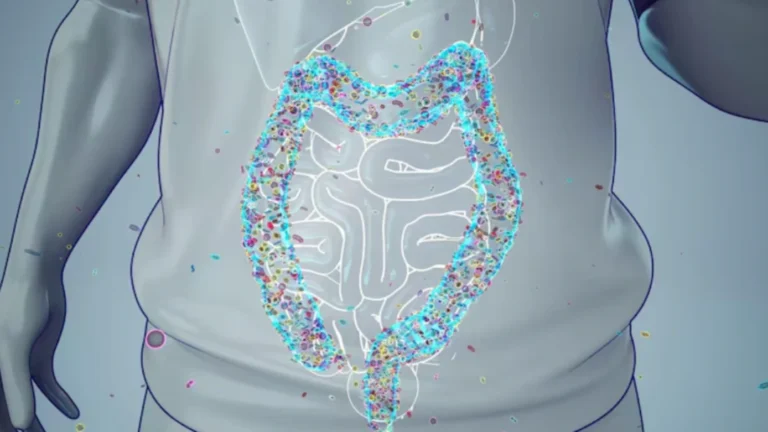
Gut health plays a major role in immunity, digestion, and even mood regulation. Probiotics support a healthy balance of beneficial bacteria in the digestive system.
Benefits include:
Resource: National Center for Complementary and Integrative Health – Probiotics [9].
B vitamins are essential for energy metabolism, nervous system function, and red blood cell production. They also play a role in stress response and hormonal health.
Benefits include:
Resource: NIH B Vitamins [10].
Adaptogens are herbal compounds traditionally used to help the body adapt to stress. While research is still ongoing, some studies suggest they may support stress resilience and hormonal balance.
Benefits include:
Resource: National Center for Biotechnology Information – Adaptogens [11].
Even the best women’s health supplements cannot replace a healthy, balanced diet. Whole foods provide fiber, antioxidants, and thousands of beneficial compounds that supplements cannot fully replicate.
A diet rich in:
provides the foundation for long-term health. Supplements for women health should be viewed as supportive tools, not substitutes for proper nutrition.
The USDA FoodData Central database is a reliable resource for understanding nutrient content in foods [12].
Hormones regulate nearly every major system in the body, including metabolism, mood, sleep, reproduction, and stress response. When hormones are out of balance, women may experience fatigue, weight changes, mood swings, irregular cycles, and sleep problems.
Many women ask, how do you balance your hormones naturally? The answer lies in a combination of nutrition, lifestyle habits, stress management, and targeted supplementation when appropriate.

Certain foods that help balance hormones support blood sugar stability, reduce inflammation, and promote healthy hormone metabolism.
Key dietary strategies include:
Resource: Harvard Health – How Diet Affects Your Hormones [13].
Exercise plays a powerful role in hormonal health. It improves insulin sensitivity, reduces stress hormones, and supports healthy metabolism.
A balanced routine includes:
Resource: Physical Activity and Hormonal Health [14].
Sleep is essential for regulating cortisol, insulin, growth hormone, and appetite-related hormones. Chronic sleep deprivation disrupts these systems and can contribute to weight gain, fatigue, and mood issues.
Aim for:
Resource: Sleep Foundation – Hormones and Sleep [15].
Chronic stress increases cortisol levels, which can interfere with estrogen, progesterone, thyroid hormones, and insulin balance. Learning to manage stress is one of the most effective ways to support hormonal health.
Helpful strategies include:
Resource: Stress and Hormone Health [16].
Certain supplements for women health can support hormonal balance when used appropriately and under professional guidance. These may include:
It is important to remember that supplements and women’s health strategies work best when combined with healthy lifestyle habits. No supplement can fully compensate for poor sleep, chronic stress, or an unbalanced diet.
Not all supplements are created equal. When choosing women’s health supplements, look for:
Always discuss supplement use with a healthcare provider, especially if you are pregnant, breastfeeding, taking medications, or managing a medical condition.
Resource: FDA Guide to Using Supplements Safely [17].
Women’s health is not one-size-fits-all. Understanding your body’s needs, eating a balanced diet, managing stress, staying active, and using supplements wisely can make a meaningful difference in long-term well-being.
By combining smart nutrition with carefully chosen supplements for women health, you can support energy, bone strength, immune function, and hormonal balance at every stage of life. When approached thoughtfully, supplements and women’s health strategies become powerful tools for maintaining vitality, resilience, and overall wellness.
The best daily supplement routine for women depends on age, diet, lifestyle, and health goals. However, most healthcare professionals agree that a high-quality women’s multivitamin is a good foundation. A daily routine may include:
These supplements support overall wellness when combined with a balanced diet and healthy lifestyle. Women with specific deficiencies or conditions should consult a healthcare provider for personalized guidance.
The best supplements for women’s health are those that address common nutritional gaps and support long-term wellness. These typically include:
The right combination depends on individual needs, medical history, and life stage, such as pregnancy, postpartum, or menopause.
The best supplements for a woman’s body support metabolism, muscle function, skin health, and overall physical wellness. Commonly recommended options include:
These supplements work best alongside regular exercise, adequate hydration, and a nutrient-rich diet.
Supplements for female health should be chosen based on personal health goals and nutritional needs. A general daily foundation often includes:
Women with specific concerns such as low energy, hormonal imbalances, anemia, bone density loss, or digestive issues may benefit from additional targeted supplements under medical guidance.
Polycystic ovary syndrome (PCOS) is a common hormonal condition that affects reproductive-aged women. Symptoms can vary but often include:
Not all women experience the same symptoms, and severity can differ from person to person.
PCOS can cause lower abdominal or pelvic discomfort in some women, although pain is not always present. Discomfort may be related to:
Persistent or severe lower abdominal pain should always be evaluated by a healthcare provider to rule out other conditions such as endometriosis, ovarian cyst rupture, or infections.
PCOS affects hormone levels and ovulation, which can impact a girl or woman’s menstrual cycle, skin, hair growth, weight regulation, and fertility. Over time, PCOS may increase the risk of:
Early diagnosis and lifestyle management can significantly reduce long-term health risks and improve quality of life.
There is currently no cure for PCOS, but it can be effectively managed with the right combination of lifestyle changes, medical care, and sometimes supplements. Management strategies may include:
With proper management, many women with PCOS are able to regulate symptoms, support fertility, and maintain good long-term health.
This content is for general awareness and educational purposes only. It is not a substitute for professional medical advice, diagnosis, or treatment. Always consult your doctor, nutritionist, or qualified healthcare professional starting any new supplement or making changes to your diet or lifestyle.