Physical Address
304 North Cardinal St.
Dorchester Center, MA 02124
Physical Address
304 North Cardinal St.
Dorchester Center, MA 02124


Proper nutrition plays a crucial role in improving focus, memory, and energy levels in students. Nutrients like omega-3 fatty acids, B vitamins, iron, magnesium, and protein support brain function, while balanced meals and hydration help maintain steady concentration for studying and exams.
Quick Summary
- Omega-3s improve memory and brain communication
- B vitamins convert food into mental energy
- Iron prevents fatigue and brain fog
- Protein supports alertness and motivation
- Complex carbohydrates provide steady energy
- Hydration enhances concentration
- Balanced meals improve academic performance
Featured Snippet:
The best nutrients for focus and energy in students include omega-3 fatty acids, B vitamins, iron, magnesium, protein, and complex carbohydrates. These nutrients support brain function, improve memory, stabilize energy levels, and enhance concentration for studying and academic performance.
Students are expected to remain mentally alert for extended periods, attending lectures, completing assignments, preparing for exams, participating in activities, and often balancing part-time work. While study strategies and time management are important, optimal nutrition is the true foundation of focus, memory, and sustained energy.
Your brain is like a high-performance engine. Without the right fuel, it slows down. With the right nutrients, it thrives.
The brain uses approximately 20% of the body’s total energy supply. Every thought, memory, and calculation requires nutrients.¹ According to research from the Harvard T.H. Chan School of Public Health, diet quality is strongly linked to cognitive function and mental performance.²
Poor nutrition can cause:
On the other hand, the right nutrients support:
Let’s explore the most important nutrients for students.
Glucose is the brain’s primary energy source, and stable blood glucose levels support sustained concentration and cognitive performance.³ However, refined sugars cause rapid spikes and crashes, leading to fatigue and irritability.⁴
Complex carbohydrates release glucose slowly, providing stable energy throughout long study sessions.
Candy, soda, and white bread cause short-term alertness followed by mental crashes, which can disrupt focus during lectures or exams.⁴
Pro Tip: Start the day with oatmeal topped with nuts and berries instead of sugary cereal.
Protein provides amino acids needed to produce neurotransmitters — the chemical messengers that regulate focus and mood.⁵
The National Institutes of Health highlights the importance of adequate protein intake for cognitive health.⁶
Eating protein with every meal helps prevent energy dips and supports sustained concentration.
Omega-3 fatty acids, particularly DHA, are critical for brain cell membranes and communication between neurons.⁷
Studies referenced by Johns Hopkins University suggest omega-3 intake is associated with better memory and attention.⁸
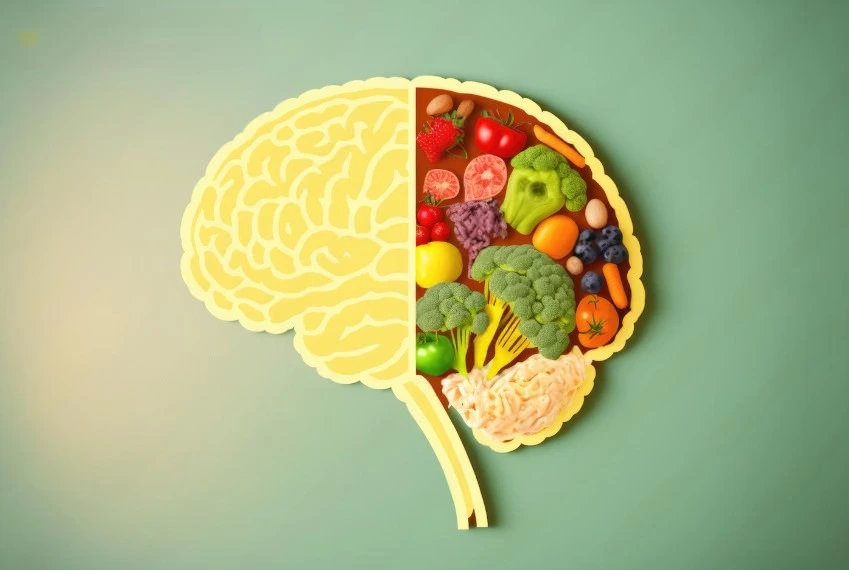
Students who don’t consume fish may consider plant-based sources or doctor-approved supplements.
B vitamins help convert food into usable energy and support nerve health.⁹
Deficiencies can lead to fatigue and difficulty concentrating.¹⁰
Vegetarian and vegan students should monitor B12 intake carefully.
Iron carries oxygen in the bloodstream to brain tissues.¹¹ Low iron levels can cause tiredness, reduced attention span, and slower mental processing.
Students, especially teenage girls, are at higher risk of deficiency.¹²
Pair iron with vitamin C (oranges, strawberries) to improve absorption.
Magnesium supports over 300 biochemical processes, including nerve signaling and stress regulation.¹³
Academic stress can deplete magnesium levels, leading to fatigue and irritability.
Magnesium also supports better sleep, which is essential for memory consolidation.¹⁴
Vitamin D deficiency is widespread globally. According to the World Health Organization, low vitamin D levels are common, especially among individuals who spend most of their time indoors.¹⁵
Vitamin D supports:
Students studying indoors for long hours should monitor their levels.
The brain is highly vulnerable to oxidative stress, which can damage neurons and affect memory.¹⁶
Antioxidants help protect brain cells and maintain mental sharpness.
Regular intake supports long-term brain health and memory preservation.
Zinc plays an important role in nerve signaling and memory formation.¹⁷
Even a mild deficiency can impair cognitive performance.
The human brain is about 75% water, and even mild dehydration can affect mental performance.¹⁸
Mild dehydration can cause:
Students should drink at least 6–8 glasses of water daily.
Caffeine improves alertness, reaction time, and attention when used in moderation.¹⁹
Excessive caffeine can cause:
Limit intake to moderate amounts and avoid late-night consumption.
The gut-brain axis plays a major role in mood regulation and cognitive function.²⁰
A balanced gut microbiome supports:
Breakfast
Oatmeal with walnuts, blueberries, and Greek yogurt
Mid-Morning Snack
Banana + handful of almonds
Lunch
Grilled chicken, brown rice, spinach salad
Afternoon Snack
Dark chocolate + apple slices
Dinner
Baked salmon, quinoa, steamed broccoli
Evening
Herbal tea and light fruit snack
Instead of chips or sugary drinks, try:
These snacks help stabilize blood sugar and prevent mental crashes.⁴
Before exams:
A well-fed brain performs better under pressure.¹⁴
Small corrections can dramatically improve mental stamina.
Whole foods should be prioritized. Supplements may help if:
Students should always consult a healthcare professional before starting supplements.
Nutrition works best alongside:
The brain thrives on balance.
Academic excellence isn’t just about studying longer — it’s about studying smarter. The right nutrients provide the mental clarity, focus, and energy students need to succeed. By prioritizing complex carbohydrates, protein, omega-3s, B vitamins, iron, magnesium, hydration, and antioxidants, students can:
Small dietary changes today can create lifelong cognitive benefits.
Several essential nutrients directly support concentration, memory, and mental clarity:
1. Omega-3 Fatty Acids
Found in fatty fish, walnuts, and flaxseeds, omega-3s (especially DHA) support brain cell structure and communication. Research from the Harvard T.H. Chan School of Public Health links omega-3 intake with improved cognitive performance.
2. B Vitamins (B6, B9, B12)
These vitamins help convert food into energy and support neurotransmitter production. According to the National Institutes of Health, deficiencies may lead to fatigue and poor concentration.
3. Iron
Iron carries oxygen to the brain. Low levels can cause brain fog, reduced attention span, and tiredness.
4. Magnesium
Supports nerve signaling and reduces stress, which improves focus during exams or long study sessions.
5. Protein (Amino Acids)
Amino acids like tyrosine help produce dopamine — the neurotransmitter responsible for alertness and motivation.
6. Vitamin D
Low vitamin D levels are associated with fatigue and mood imbalance. The World Health Organization highlights widespread deficiency globally.
7. Water (Hydration)
Even mild dehydration can reduce attention and memory performance.
Bottom line: Balanced nutrition, not a single “magic vitamin,” improves focus.
The best foods for sustained energy and concentration combine complex carbohydrates, protein, and healthy fats.
For natural alertness:
Avoid:
These cause energy crashes that hurt productivity.
If you want maximum study concentration, choose foods that prevent blood sugar spikes and crashes.
Complex carbs + Protein + Healthy fats
Hydration tip:
Drink water consistently while studying. Even slight dehydration can reduce memory recall.
The idea that humans use only 10% of their brain is a myth. Brain imaging studies show that almost all regions of the brain have functions and are active at different times.
Instead of trying to use “100% of your brain,” focus on optimizing brain performance.
Sleep consolidates memory and improves learning efficiency.
Omega-3s, B vitamins, protein, and iron fuel mental performance.
Study 25–50 minutes, then take short breaks. This improves retention.
Physical activity increases blood flow to the brain and enhances memory.
Water improves reaction time and attention.
Chronic stress reduces focus and memory. Meditation and breathing exercises help.
Focused single-tasking improves productivity and cognitive efficiency.
This content is for general awareness and educational purposes only. It is not a substitute for professional medical advice, diagnosis, or treatment. Always consult your doctor, nutritionist, or qualified healthcare professional starting any new supplement or making changes to your diet or lifestyle.