Physical Address
304 North Cardinal St.
Dorchester Center, MA 02124
Physical Address
304 North Cardinal St.
Dorchester Center, MA 02124

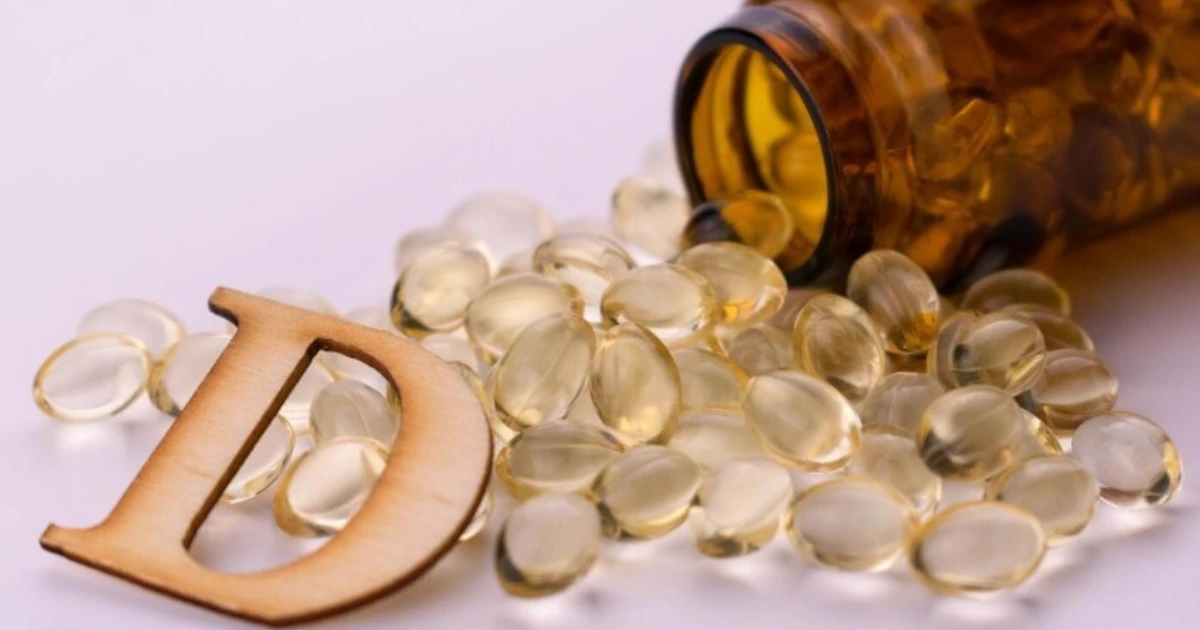
Liposomal Vitamin D3 is better absorbed, supporting strong bones, a balanced mood, immunity, and daily energy.
Quick Summary

Most Indians are vitamin D-deficient despite living in a sun-rich country. Regular vitamin D supplements often fail due to poor absorption, digestive breakdown, and lifestyle barriers.
Liposomal vitamin D, protected inside phospholipid “liposomes,” bypasses these issues and delivers vitamin D3 more efficiently to the bloodstream, supporting:
Stronger bone density.
Featured Snippet:

Liposomal vitamin D is a highly absorbable form of vitamin D3 protected inside tiny fat-based liposomes. This encapsulation improves stability and absorption, helping support stronger bones, a better mood through serotonin regulation, higher energy via mitochondrial function, and overall immune health. It delivers better results than regular vitamin D supplements, especially for people with limited sunlight exposure.
Liposomal vitamin D is vitamin D3 (cholecalciferol) encapsulated inside phospholipid-based liposomes, microscopic fat bubbles similar to human cell membranes. These liposomes:
Regular vitamin D has low bioavailability. Liposomal D3 improves:
This means better results with smaller doses.
India is a sunny country, yet vitamin D deficiency is one of the highest globally.
Urban pollution, stress, and indoor lifestyles not only worsen vitamin D deficiency but also increase oxidative stress, raising the body’s demand for vitamin C, especially in highly absorbable forms like liposomal vitamin C for oxidative stress protection.
Low vitamin D impacts:
Liposomal delivery bypasses many of these barriers.
Regular vitamin D requires:
Most people don’t have all three.
Liposomes:
This is scientifically supported:
More vitamin D reaches your blood.
This results in faster and stronger benefits.
Regular vitamin D3 (tablets, capsules, gummies):
Many Indians take vitamin D with tea or coffee, affecting nutrient transport.
You may swallow vitamin D daily…
…but absorb only a small fraction.
Liposomal D3 bypasses these limitations.
Vitamin D3 regulates:
Without adequate vitamin D, calcium stays unused.
Vitamin D deficiency leads to:
Key for:
Vitamin D activates enzymes that produce serotonin, the neurotransmitter responsible for:
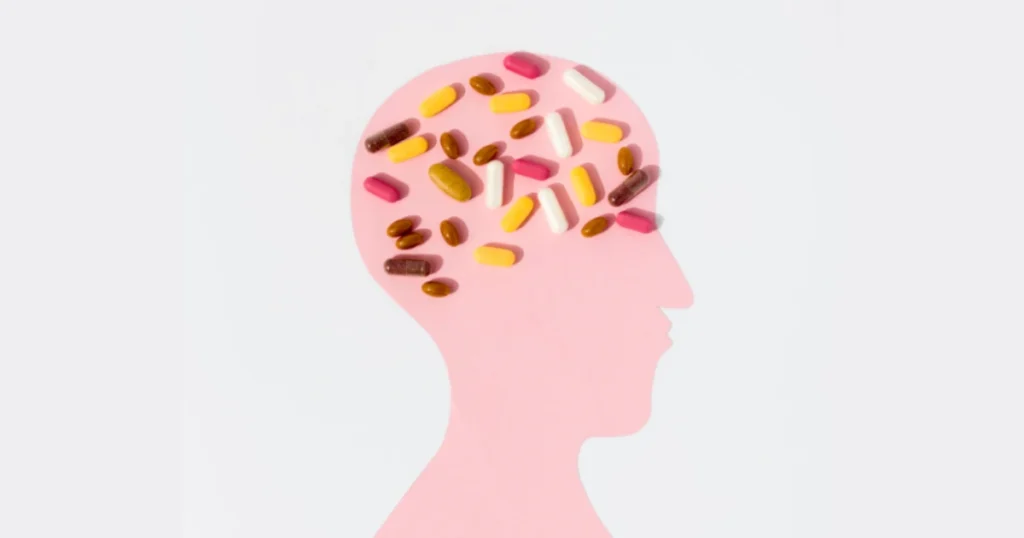
Vitamin D deficiency increases risk of depressive symptoms[5]
Relevant in India
Vitamin D plays a role in:
Low vitamin D is linked to:
Liposomal D3:
Vitamin D enhances:
Low D3 levels are common among Indians in the monsoon and winter seasons.
| Feature | Regular Vitamin D3 | Liposomal Vitamin D3 |
| Absorption | Low to moderate; depends heavily on gut health, fat intake, and digestion | High and consistent; protected by liposomes for superior cellular uptake |
| Stability in Digestion | Partially destroyed by stomach acid and bile | Liposomes shield vitamin D from digestive breakdown |
| Bioavailability | Variable and often poor | Significantly higher (supported by liposomal research: [7] |
| Onset of Benefits | Slow (4–12 weeks) | Faster (1–4 weeks depending on deficiency) |
| Dependence on Dietary Fat | Needs fat to absorb | Not dependent; liposomes already contain phospholipids |
| Effectiveness in Deficiency | Often insufficient | More reliable correction of D3 deficiency |
| Suitable for Gut-Sensitive Individuals | May cause bloating or poor absorption | Gentle, easier on digestion |
| Doses Needed | Higher doses required | Lower doses can achieve the same or better effects |
| Cost Efficiency | Cheaper upfront but lower absorption | Higher upfront but far better utilisation |
Regular vitamin D shows results with optimal gut health, diet, bile acids, and digestion.
Liposomal vitamin D shows results with varied digestive conditions.
People working indoors for 8–12 hours rarely get UVB exposure needed for vitamin D synthesis.
UVB does not pass through windows.
Pollution filters out UVB rays.
Cities like Delhi, Mumbai, Bangalore, Kolkata are high-risk zones.
Declining estrogen = reduced calcium absorption
→ higher risk of bone loss and hormonal mood changes.
Age reduces skin’s ability to convert sunlight into vitamin D.
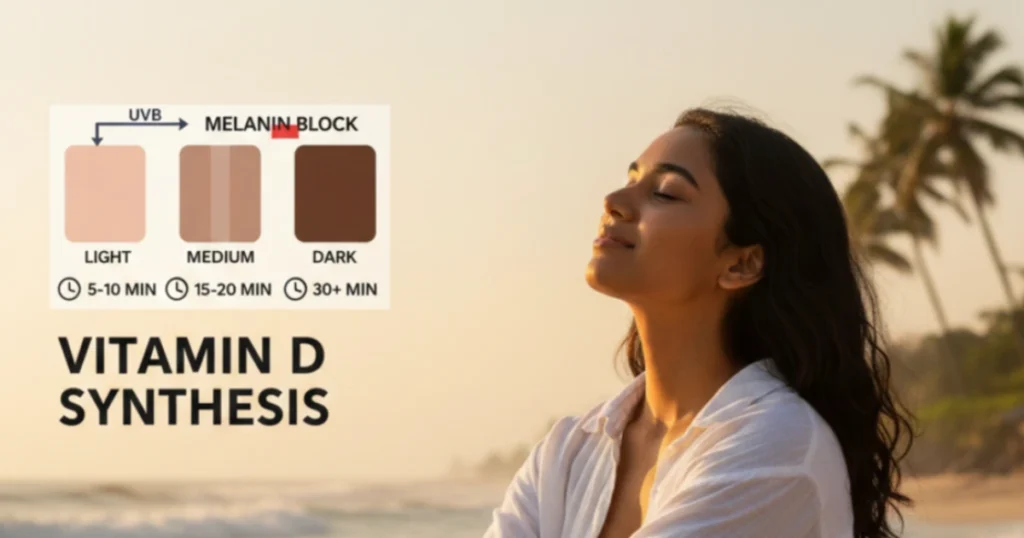
Melanin blocks UVB for vitamin D synthesis.
Indian skin tone = needs longer sun exposure.
Diet naturally low in vitamin D and K2–rich foods.
Vitamin D regulates serotonin & ATP production.
Early signs of deficiency.
Regular D supplements have poor absorption in such conditions.
PPIs, antacids, steroids, diabetes medication reduce D absorption.
General guideline (always individualised by doctor):
Vitamin D helps absorb calcium.
Vitamin K2 helps place calcium into bones, not arteries.
Effects build up gradually; minimum 6–12 weeks for blood level improvements.
Check:
Supports lymphatic transport of liposomal nutrients.
Many assume “I live in India, I get enough sun.”
Reality is the opposite.
Schools, offices, corporate schedules = no UVB exposure.
Study: “High pollution reduces UVB required for vitamin D synthesis” (National Institute of Nutrition, India).
More melanin = more sunlight needed.
(Journal of Clinical Endocrinology)
Sunlight + Liposomal D3 together offer the best long-term results.
Vitamin D receptors present in 30+ tissues:
Enhances innate and adaptive immunity [8]
Useful for:
Improves muscle performance and reduces fatigue.
Linked to lower risk of metabolic disorders [9]
Vitamin D deficiency associated with hypertension and heart risks.
Improves cell turnover and reduces hair thinning caused by deficiency.
Liposomal encapsulation enhances stability and absorption, resulting in greater vitamin D3 delivery into the bloodstream
Yes. Vitamin D supports serotonin synthesis, improving mood, stress handling, and emotional balance.
Yes. Vitamin D regulates mitochondrial ATP production, reducing fatigue and increasing stamina.
Most people feel improvements in 2–4 weeks, with significant blood level changes in 6–12 weeks.
Yes, liposomal vitamin D is safe for daily use at recommended doses, but avoid excessive intake since vitamin D can accumulate.
Children can take liposomal vitamin D, but the dose must match their age and be approved by a doctor to ensure safety.
No. Liposomal vitamin D can help maintain levels, but it doesn’t fully replace the broad benefits of sunlight-driven vitamin D synthesis.
Many people notice energy or mood benefits from vitamin D within 2–4 weeks, but timing varies depending on baseline levels and consistency.
Liposomal vitamin D can be vegetarian or vegan if it uses plant-based phospholipids and vegan vitamin D3 (from lichen). Always check the label, since some products use animal-derived D3 or capsules.
Yes. Vitamin D supports immune function by helping regulate immune cell activity and maintaining healthy defense responses.
This content is for general awareness and educational purposes only. It is not a substitute for professional medical advice, diagnosis, or treatment. Consult a doctor. Nutritionist. Healthcare professional. Avoid starting supplements or changing diet or lifestyle independently.
[1] https://pubmed.ncbi.nlm.nih.gov/30280780/
[2] https://www.ncbi.nlm.nih.gov/pmc/articles/PMC6133257/
[3] https://www.ncbi.nlm.nih.gov/pmc/articles/PMC7911810/
[4] https://www.ncbi.nlm.nih.gov/pmc/articles/PMC3749010/
[5] https://pubmed.ncbi.nlm.nih.gov/33099407/
[6] https://pubmed.ncbi.nlm.nih.gov/24456641/
[7] https://pubmed.ncbi.nlm.nih.gov/30280780/