Physical Address
304 North Cardinal St.
Dorchester Center, MA 02124
Physical Address
304 North Cardinal St.
Dorchester Center, MA 02124

Liposomal Vitamin C absorbs far better, protecting the nutrient so more reaches your cells supporting immunity, skin health, and antioxidant defense.
Quick Summary

Regular Vitamin C breaks down easily inside the stomach.
Liposomal Vitamin C protects the nutrient inside phospholipid “fat bubbles,” helping more Vitamin C reach your cells.
Result: better immunity, clearer skin, faster recovery, and higher antioxidant protection.
Featured Snippet:

Liposomal Vitamin C absorbs significantly better than traditional Vitamin C because it is encapsulated inside phospholipid liposomes. These liposomes protect Vitamin C from stomach acid, allowing more of the nutrient to reach the bloodstream and enter cells. This results in stronger immunity, brighter skin, and better antioxidant support.
Most people in India take Vitamin C when they feel a cold coming on, want glowing skin, or need an energy boost. But here is the truth nobody tells you: Traditional Vitamin C breaks down quickly inside the stomach. Your body absorbs only a fraction sometimes less than 20% of what you swallow. [1]
This is why:
It’s NOT because Vitamin C is ineffective. It’s because your body is not absorbing enough of it. This is where Liposomal Vitamin C becomes a game-changer. Instead of dissolving and dying in stomach acid, it is wrapped inside microscopic fat spheres called liposomes, which help it travel safely into your bloodstream – and then into your cells.
This one difference changes everything:
This blog breaks down exactly how liposomal Vitamin C works, why regular Vitamin C fails, what global studies show, and why Indians – with our lifestyle, pollution levels, diet patterns, and digestive challenges – benefit the most.
Most Vitamin C supplements you see in India today – tablets, powders, effervescent drinks – belong to the regular, water-soluble category. They dissolve in your stomach, face strong digestive acids, and lose a large part of their potency before reaching your bloodstream. This is not speculation. It is documented science: The NIH notes that oral Vitamin C absorption drops sharply as dose increases because the digestive system destroys excess Vitamin C. [2]
This means:
Now enter Liposomal Vitamin C – a technology designed to bypass these problems.
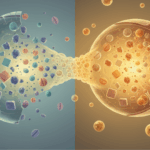
Liposomal Vitamin C uses microscopic fat-based spheres (liposomes) to protect Vitamin C as it passes through your stomach and intestine. These spheres are made from phospholipids – the exact same material your cell membranes are made of.
That similarity matters.
Your body instantly recognises liposomes as “self,” allowing them to merge with your cells and release Vitamin C directly inside.
In simple terms:
Regular Vitamin C = damaged before absorption
Liposomal Vitamin C = delivered to your cells intact
This one scientific upgrade can completely transform the results you feel:
And these effects aren’t hype – they’re based on decades of research.
A major paper on liposomal delivery confirms that liposomes protect nutrients through digestion and enhance bioavailability. [3]
To understand liposomal delivery, imagine this scenario:
You want to send a fragile parcel across India.
Option A: Send it unwrapped – it breaks.
Option B: Pack it in a protective bubble wrap – it arrives safely.
Regular Vitamin C = Option A
Liposomal Vitamin C = Option B
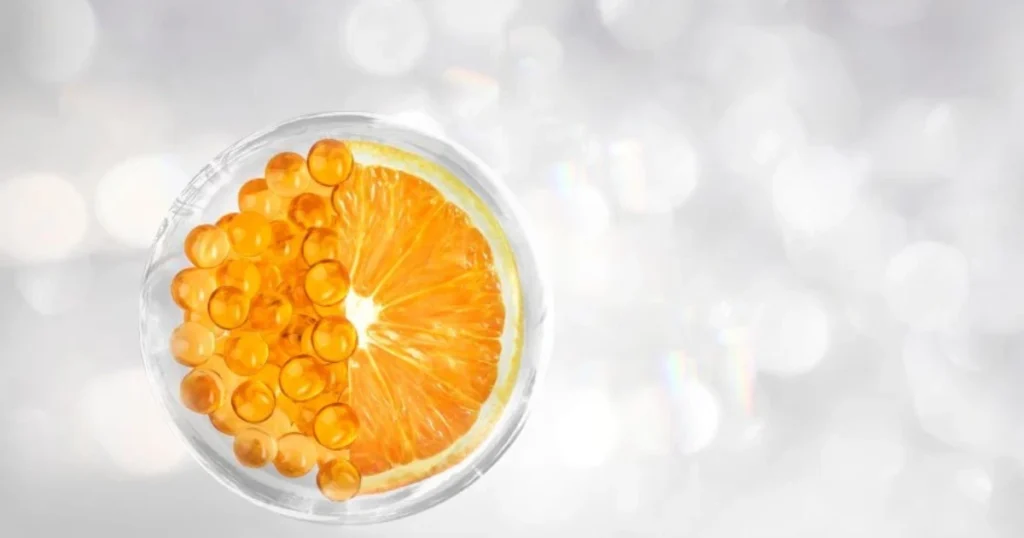
A liposome is a tiny sphere with:
Phospholipids are identical to your cell membranes.
This is why liposomes are naturally accepted by the body.
Research shows that phospholipid encapsulation shields nutrients from stomach acid degradation. [4]
When you swallow Liposomal Vitamin C:
This results in significantly higher nutrient survival.
Regular Vitamin C often loses 30–70% of potency in digestion.
Unlike regular Vitamin C, liposomal Vitamin C does not rely only on the intestine → bloodstream route.
Liposomes are absorbed through the lymphatic system, which:
This is a major reason liposomal forms feel more “effective” even at smaller doses.
Liposomes have the same structural makeup as your cell membranes.
This enables:
The result:
More Vitamin C reaches where it actually matters – your cells.
Indian lifestyles create unique absorption challenges:
ICMR has confirmed that many Indians consume less than half the required daily Vitamin C. [5]
Millions of Indians take Vitamin C tablets every day – especially effervescent Vitamin C, which dominates the market.
Yet almost everyone shares the same frustration:
“I take Vitamin C, but I don’t feel any real difference.”
The reason is simple:
Regular Vitamin C is destroyed faster than your body can absorb it.
This isn’t opinion – this is physiology.
According to the National Institutes of Health (NIH), the absorption of Vitamin C sharply decreases as dosage increases because the digestive system cannot handle large amounts at once. [6]
Here’s what actually happens:
This is why a person can swallow 1000 mg, but the body may use 150–200 mg at best.
Regular Vitamin C looks good on the label…but your cells receive very little of it
Vitamin C (ascorbic acid) is extremely sensitive to:
A controlled review published in Nutrition & Metabolism confirms Vitamin C oxidises rapidly and loses biological activity. [7]
This means regular Vitamin C degrades before it even reaches your bloodstream.
Vitamin C is highly reactive in acidic environments. The stomach’s pH (1.5–3.5) is enough to break down ascorbic acid molecules.
The NIH states clearly:
“Absorption decreases with increased intake.”
Meaning the more you take, the less you absorb. [8]
This is why people experience:
Despite taking Vitamin C daily.
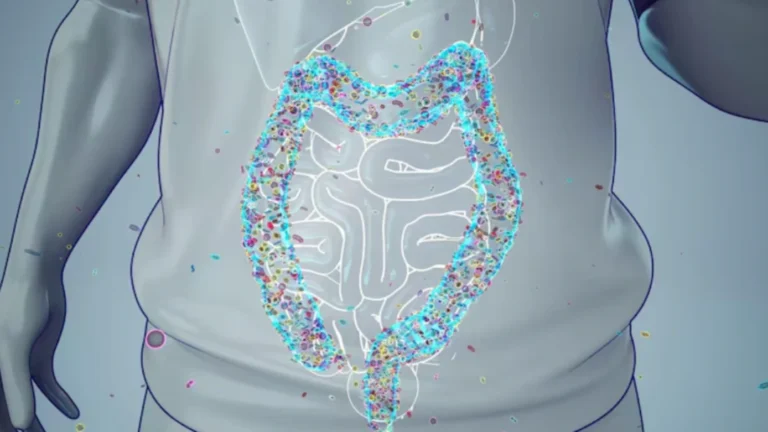
Even if Vitamin C survives the stomach, it must pass through the liver first, where significant amounts are metabolised and removed – a process known as first-pass metabolism.
Result: Only a small percentage reaches circulation.
This is one of the biggest reasons regular Vitamin C cannot match the bioavailability of liposomal forms.
Your body uses Vitamin C at higher rates during:
Research shows plasma Vitamin C levels drop significantly during immune stress. [9]
Caffeine and tannins interfere with micronutrient absorption, reducing how much Vitamin C enters the bloodstream. Tannins in tea inhibit the absorption of essential nutrients. [10]
Most Indians drink tea or coffee first thing in the morning, the same time they take supplements.
Cities like Delhi, Mumbai, and Bangalore show elevated oxidative stress markers due to air pollution. A study confirms Vitamin C is depleted faster in polluted environments. This means regular doses are not enough.
Boiling, frying, reheating – common in Indian kitchens – destroy up to 60–90% of natural Vitamin C.
ICMR confirms nutrient losses from cooking and storage. [11]
This makes supplementation even more important – but regular supplements still suffer from poor absorption.
Indian adults commonly experience:
These reduce absorption dramatically.
NIH: Weak gut function decreases Vitamin C absorption significantly. (From same Vitamin C physiology link above) Liposomal Vitamin C, however, bypasses much of this digestive barrier.
A surprising fact:
Vitamin C works synergistically with healthy fats for antioxidant recycling.
But traditional Indian diets – especially vegetarian households – are often low in good fats like omega-3s and phospholipids.
Regular Vitamin C alone struggles to perform optimally in such cases.
Regular Vitamin C fails because it breaks down before absorption. Liposomal Vitamin C succeeds because it protects every molecule until it reaches your cells. This difference changes everything. Instead of losing 60–80% of your dose in digestion, liposomal Vitamin C allows a significantly higher percentage to survive and enter your bloodstream.
A clinical trial published in Nutrition and Metabolic Insights found that liposomal Vitamin C produced much higher blood levels than regular Vitamin C. [12]
This is why the benefits of liposomal Vitamin C are noticeably stronger. Below are the results you can actually feel supported by scientific evidence.
Vitamin C is essential for:
But the body requires high plasma saturation for these effects – something regular Vitamin C cannot maintain. A study shows that Vitamin C concentrations in immune cells can be 10–100 times higher than in blood, requiring efficient absorption to achieve. [13]
Liposomal Vitamin C achieves these saturation levels much more efficiently.
This means:
During monsoon season, respiratory infections surge due to humidity and pollution.
Higher bioavailability = stronger daily protection.
Vitamin C is one of the most researched nutrients in dermatology.
Its proven skin functions include:
A major dermatology review confirms its role in collagen synthesis and antioxidant protection. [14]
But here’s the catch:
Topical serums only affect surface layers. Regular oral Vitamin C is poorly absorbed. Liposomal Vitamin C reaches deeper layers of the skin, supporting collagen production where serums cannot.
Air pollution in Delhi, Mumbai, and Bangalore accelerates skin aging through oxidative stress. Liposomal Vitamin C neutralises these free radicals internally.

Most people do not realise this:
Vitamin C is essential for cortisol regulation. Your adrenal glands (stress glands) hold the highest Vitamin C concentration in the body.
Under stress:
Peer-reviewed research shows Vitamin C helps modulate cortisol during physical and emotional stress.[15]
Liposomal Vitamin C supports:
Students preparing for competitive exams, IT professionals working long shifts, and entrepreneurs under deadlines benefit significantly from improved adrenal support.
Vitamin C supports cardiovascular and cognitive health in multiple ways:
A Harvard-backed study showed Vitamin C improves vascular function and reduces inflammation. [16]
For the brain, Vitamin C supports:
Urban professionals often sit indoors, experience sedentary blood flow patterns, and face chronic mental stress – increasing the need for antioxidant support.
Vitamin C plays a crucial role in:
Liposomal Vitamin C enhances intracellular delivery making recovery faster and reducing soreness. A study demonstrated Vitamin C’s powerful role in reducing oxidative damage after physical stress. [17]
Vitamin C supports detoxification primarily by recycling glutathione the body’s master antioxidant making liposomal glutathione for detox and antioxidant support a powerful complementary nutrient for liver health and faster recovery.
India ranks among the world’s highest exposure zones for PM2.5 pollution – a known cause of oxidative stress (cellular damage).[18]
Vitamin C is the primary antioxidant the body uses to neutralise free radicals from pollution.
Regular Vitamin C cannot achieve high blood saturation levels due to poor absorption.
Liposomal Vitamin C delivers higher plasma concentrations, meaning stronger antioxidant protection against:
This is critical for both skin health and immunity in major Indian cities like Delhi, Mumbai, Bangalore, Chennai.
Vitamin C is heat-sensitive and water-soluble.
These practices can destroy up to 70–90% of Vitamin C in food. [19]
This means even a “healthy Indian meal” may deliver almost no Vitamin C.
It bypasses digestive destruction and fills the nutritional gap created by Indian cooking styles.
Studies show that physical or emotional stress rapidly depletes Vitamin C levels.[20]
India is one of the most stressed nations in the world, according to WHO.
Common Indian triggers:
Better absorption = better adrenal support = more stable energy, better stress tolerance, fewer fatigue crashes.
India is one of the highest consumers of chai and coffee. Caffeine increases stomach acidity and reduces absorption of key nutrients like iron and Vitamin C. [21]
Because it is encapsulated in phospholipids, liposomal Vitamin C is less affected by digestive interference from:
This makes it far more effective for the average Indian routine.
Multiple national studies show widespread insufficiency:
Regular supplements fail to fix this because absorption is too low.

Higher plasma levels = correcting deficiency more effectively.
Many people wonder:
“Why is liposomal Vitamin C more expensive than a regular tablet?” Because regular tablets waste 60–80% of the vitamin in digestion. [23] So even if a tablet is cheap, it delivers poor value.
| Supplement Type | Cost | Absorption | Real Value |
| Regular Vitamin C (₹200–₹500) | Low | 10–20% | Low |
| Liposomal Vitamin C (₹1000–₹1800) | Higher | Significantly higher | Very High |
A ₹400 tablet may deliver only “₹40 worth” of usable Vitamin C. A liposomal dose delivers most of what you pay for.
This makes it more cost-effective long-term.
Most people compare supplements only by the label price. That is the wrong comparison. The real question is: How much of what you are paying for is actually absorbed by your body? Here is the reality, supported by clinical evidence:
Therefore:
A regular Vitamin C tablet priced at 300 rupees may deliver only 60 rupees worth of usable vitamin. A liposomal supplement delivers far more of what you actually consume. That is functional value. Absorption is the real cost metric.
When you pay for liposomal technology, you are paying for:
For anyone serious about skin health, immunity, stress resilience or recovery, the higher absorption justifies the cost every single time. If you take Vitamin C and feel nothing, the problem is not your body. And it is not your lifestyle. The problem is absorption. Regular Vitamin C dissolves in water, breaks down in digestion, and delivers only a fraction of what the label promises. Liposomal Vitamin C solves this problem by protecting the nutrient inside phospholipid carriers that the body recognises and absorbs efficiently.
For stronger immunity, brighter skin, higher energy, improved stress response, and better recovery, liposomal Vitamin C is one of the most reliable daily nutrition habits for modern Indian lifestyles. Better absorption leads to better health outcomes.
Yes. Multiple studies demonstrate significantly higher plasma Vitamin C levels with liposomal formulations
Yes. Vitamin C supports collagen production, reduces oxidative stress, and helps manage pigmentation. Improved absorption amplifies these effects.
For most people, yes. It is water-soluble and excess is excreted, making long-term use safe.
Liposomal vitamin C is wrapped in tiny fat particles that may enhance absorption, support immunity, and reduce stomach upset compared to regular vitamin C.
Most people notice skin brightness, improved immunity, and better energy within 2–4 weeks of consistent intake.
Yes. Most liposomal vitamin C formulas use plant-derived phospholipids, usually from sunflower or soy, so they are typically vegetarian. Always check the label to confirm there are no added animal-based ingredients, such as gelatin in the capsule.
This content is for general awareness and educational purposes only. It is not a substitute for professional medical advice, diagnosis, or treatment. Always consult your doctor, nutritionist, or qualified healthcare professional before starting any new supplement or making changes to your diet or lifestyle.
[1] https://www.ncbi.nlm.nih.gov/books/NBK482375/
[2] https://pubmed.ncbi.nlm.nih.gov/39237620/
[3] https://pubmed.ncbi.nlm.nih.gov/35715901/
[4] https://pubmed.ncbi.nlm.nih.gov/32901526/
[5] https://www.mdpi.com/1999-4923/17/11/1458
[6] https://www.mdpi.com/2076-3417/14/17/7718
[7] https://pubmed.ncbi.nlm.nih.gov/pmc/articles/PMC6165112/
[8] https://www.ncbi.nlm.nih.gov/pmc/articles/PMC6470841/
[9] https://pubmed.ncbi.nlm.nih.gov/32901526/
[10] https://www.ncbi.nlm.nih.gov/pmc/articles/PMC5579659/
[11] https://www.ncbi.nlm.nih.gov/pmc/articles/PMC2849931/
[12] https://www.ncbi.nlm.nih.gov/pmc/articles/PMC7933435/
[13] https://www.ncbi.nlm.nih.gov/pmc/articles/PMC7083300/
[14] https://www.sciencedirect.com/science/article/abs/pii/S0308814606005533
[15] https://pubmed.ncbi.nlm.nih.gov/32901526/
[16] https://pubmed.ncbi.nlm.nih.gov/23715079/
[17] https://www.msjonline.org/index.php/ijrms/article/view/6107
[18] https://pubmed.ncbi.nlm.nih.gov/10389502/
[19] https://imsear.searo.who.int/handle/123456789/109277
[20] https://www.ncbi.nlm.nih.gov/pmc/articles/PMC6470841/
[21] https://pubmed.ncbi.nlm.nih.gov/31747355/
[22] https://pubmed.ncbi.nlm.nih.gov/32901526/
[23] https://link.springer.com/article/10.1007/s00394-024-03487-8
[24] https://www.mdpi.com/1999-4923/17/11/1458
[25] https://pesquisa.bvsalud.org/portal/resource/pt/sea-211208