Physical Address
304 North Cardinal St.
Dorchester Center, MA 02124
Physical Address
304 North Cardinal St.
Dorchester Center, MA 02124

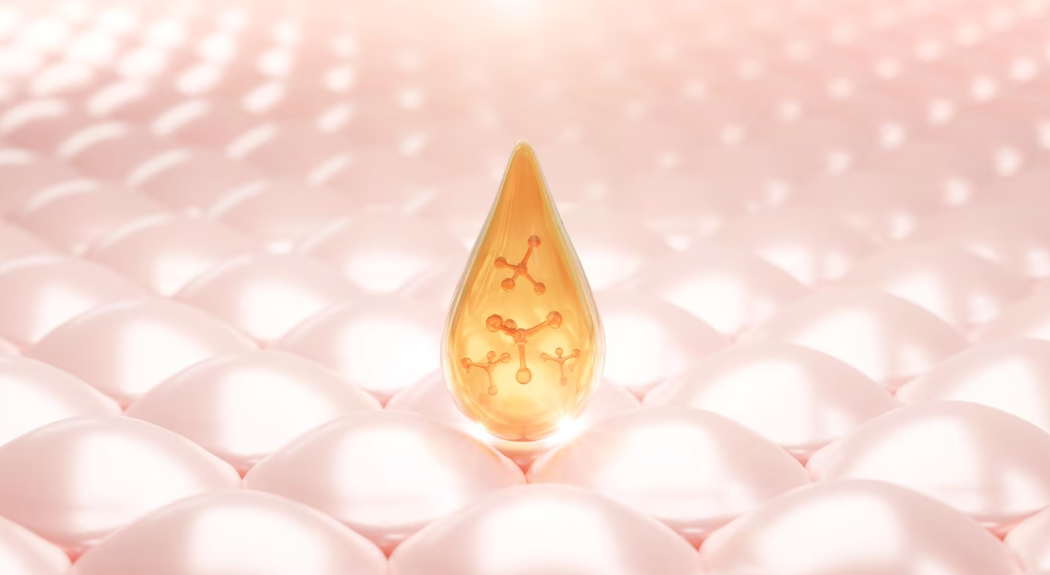
Liposomal glutathione supports liver detox, antioxidant defence, and cellular health through superior absorption daily.
Quick Summary

Liposomal glutathione is a highly bioavailable form of glutathione, the body’s most important internal antioxidant. It plays a central role in liver detoxification, cellular protection, immune regulation, and oxidative stress control. In Indian environments marked by pollution, stress, processed diets, and metabolic strain, liposomal delivery helps glutathione survive digestion and reach cells where it is actually needed.
Featured Snippet:

Liposomal glutathione is an advanced form of glutathione encapsulated in fat-based liposomes to improve absorption. It supports liver detox pathways, neutralises free radicals, and protects cellular health. This makes it especially valuable in high-stress, polluted environments where oxidative damage is common.
In India, glutathione is often associated with cosmetic outcomes, especially skin brightening. This narrow framing hides its true physiological importance. Glutathione is present in every cell of the body, with particularly high concentrations in the liver. It is essential for:
Without adequate glutathione, oxidative stress accumulates. This contributes to fatigue, liver overload, inflammation, insulin resistance, accelerated ageing, and impaired immunity [1].
Skin changes, when they occur, are secondary effects of improved internal cellular health, not the primary function of glutathione.
Glutathione (GSH) is a tripeptide made from three amino acids: glutamate, cysteine, and glycine. The body synthesises it internally, but production declines with:
Glutathione is unique because it:
When glutathione levels fall, the body becomes more vulnerable to environmental and metabolic stressors.
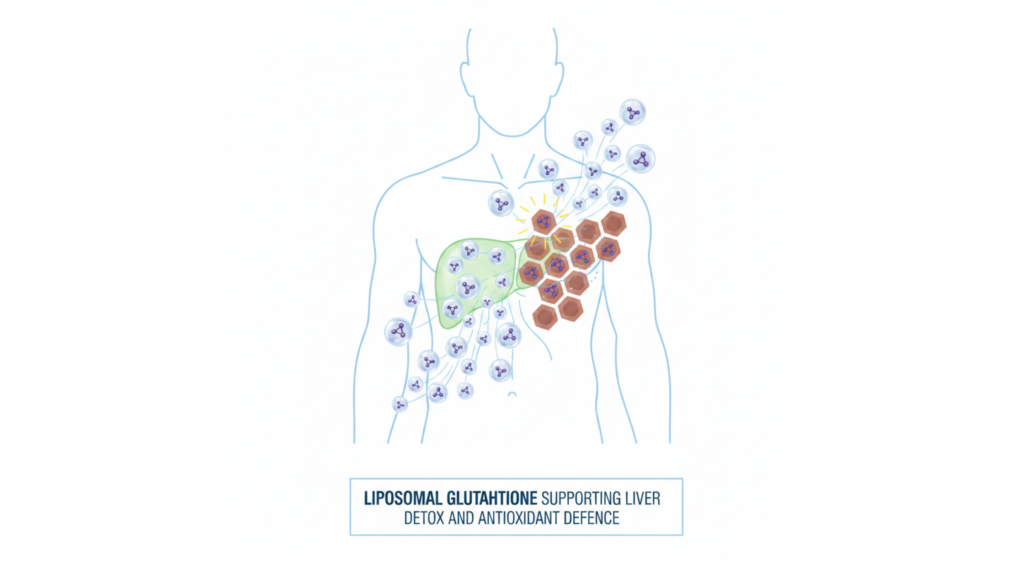
Standard oral glutathione has historically shown poor effectiveness because it is broken down by digestive enzymes before absorption.
Liposomal glutathione encloses glutathione inside phospholipid liposomes, which resemble human cell membranes. This structural similarity allows liposomes to:
Clinical trials demonstrate that oral liposomal glutathione significantly raises blood glutathione levels compared to non-liposomal forms [2].
This distinction is critical. Without effective delivery, dosage becomes irrelevant.
Modern lifestyles generate oxidative stress far beyond what the body evolved to handle. Sources include:
Oxidative stress damages cell membranes, enzymes, mitochondria, and DNA. Over time, this contributes to metabolic dysfunction, immune imbalance, and chronic fatigue [4].
Chronic stress increases oxidative damage and depletes key nutrients like glutathione and magnesium. While glutathione protects cells from free radicals, liposomal magnesium plays a critical role in calming the nervous system and improving sleep quality.
Glutathione sits at the centre of the body’s antioxidant defence network. When levels drop, other antioxidants become less effective.
Urban India faces some of the world’s highest pollution levels. Particulate matter (PM2.5) exposure increases oxidative stress and depletes antioxidant reserves, including glutathione [4].
Additionally:
All contribute to higher oxidative load and faster glutathione depletion.
This makes antioxidant support not optional, but foundational for long-term metabolic and liver health.
Liposomal magnesium directly addresses this cycle by improving bioavailability and replenishing magnesium where the body needs it most.
The liver relies heavily on glutathione for detoxification. It uses glutathione in both:
Glutathione depletion impairs these pathways, increasing toxin accumulation and oxidative damage [1].
Liposomal glutathione helps by:
This is particularly relevant in India, where NAFLD prevalence is increasing even among younger adults.
Detoxification occurs in two stages:
Phase I:
Toxins are converted into reactive intermediates. This phase can actually increase oxidative stress.
Phase II:
Glutathione binds these intermediates and renders them water-soluble for elimination.
Without adequate glutathione, Phase I creates toxic buildup instead of detoxification. This is why glutathione availability is critical for safe detox, not aggressive “cleanses.”
Scientific evidence supports glutathione’s central role:
While large India-specific trials are limited, global evidence consistently supports glutathione’s physiological importance.
Non-liposomal glutathione:
Liposomal glutathione:
Glutathione vs liposomal comes down to absorption and effectiveness. Regular glutathione often breaks down in the digestive system, which limits how much the body can actually use.
| Feature | Regular Glutathione | Liposomal Glutathione |
| Absorption | Low | Significantly higher |
| Stability in stomach | Poor | Protected by liposomes |
| Blood GSH increase | Minimal | Clinically demonstrated |
| Liver support | Limited | Stronger support |
| Antioxidant effect | Inconsistent | More reliable |
| Digestive tolerance | Variable | Generally gentle |
This difference explains why earlier glutathione supplements showed mixed results.
For Indian readers, liposomal glutathione is particularly relevant due to:
It supports internal resilience rather than cosmetic outcomes.
General guidance (not medical advice):
Medical supervision is advised for chronic illness or medication use.
With consistent use:
These are gradual, cumulative effects.
Pairing glutathione with liposomal vitamin C can further support antioxidant activity and immune health.
Responsible use is key.
Liposomal glutathione is generally well tolerated when taken as directed, but like any supplement, some people may experience mild side effects especially during the first few days of use.
Possible liposomal glutathione side effects include:
These effects are usually short-term and may occur as the body adapts to increased antioxidant activity.
Less common side effects:
To reduce the chance of side effects, it’s recommended to start with a lower dose, take the supplement consistently, and follow label instructions. People who are pregnant, breastfeeding, have medical conditions, or are taking medications should consult a healthcare professional before using glutathione.
When used responsibly, glutathione is considered safe for most adults and supports antioxidant, liver, and immune health.
Glutathione neutralises free radicals, supports liver detoxification, and protects cells from oxidative damage. It also helps regenerate other antioxidants like vitamins C and E.
Yes. Studies show liposomal glutathione increases blood glutathione levels, while standard oral forms are poorly absorbed.
Yes. Glutathione is essential for Phase II liver detoxification, where toxins are made water-soluble for elimination.
Yes. Air pollution increases oxidative stress, which raises glutathione demand. Adequate glutathione helps neutralise pollution-induced free radicals.
No. Skin effects are secondary. Its primary role is cellular protection, detoxification, immune balance, and liver support.
Liposomal glutathione benefits include better absorption, stronger antioxidant support, improved liver function, and enhanced immune health. The liposomal form helps glutathione reach cells more effectively than regular supplements.
Liposomal glutathione benefits are greater because the liposomal coating protects glutathione from breakdown in the digestive system, allowing more of it to be absorbed into the bloodstream.
Liposomal glutathione benefits support immune health by strengthening the body’s antioxidant defense system and helping immune cells function more efficiently.
Yes, liposomal glutathione benefits may support skin health by reducing oxidative damage, promoting an even skin tone, and supporting overall skin clarity when taken consistently.
People exposed to high stress, pollution, poor diet, or those with digestive absorption issues may experience stronger liposomal glutathione benefits compared to standard glutathione supplements.
It is glutathione enclosed in fat-based liposomes that protect it from digestion and improve absorption. Regular glutathione often breaks down before reaching the bloodstream.
It replenishes glutathione levels in liver cells, helping neutralise toxins and oxidative by-products so they can be safely eliminated.
Yes, when taken within recommended doses. Glutathione is naturally produced by the body, but medical advice is recommended for chronic conditions.
Many people notice improved energy and reduced fatigue in 2–4 weeks. Liver and antioxidant benefits build over 2–3 months.
Foods support glutathione production, but pollution, stress, and modern diets often exceed natural capacity, making supplementation useful.
Yes, magnesium may help with travel fatigue and jet lag by supporting circadian rhythm and easing stress.
Pregnant women, people with kidney disease, or those on multiple medications should consult a healthcare professional first.
Yes, liposomal glutathione benefits can be safely experienced with daily use when taken at recommended doses. It is always best to follow label instructions or consult a healthcare professional.
This content is for general awareness and educational purposes only. It is not a substitute for professional medical advice, diagnosis, or treatment. Always consult your doctor, nutritionist, or qualified healthcare professional before starting any new supplement or making changes to your diet or lifestyle.
[1]https://www.ncbi.nlm.nih.gov/pmc/articles/PMC4684116/
[2] https://pubmed.ncbi.nlm.nih.gov/23703445/
[3] https://www.ncbi.nlm.nih.gov/pmc/articles/PMC7071268/
[4] https://www.ncbi.nlm.nih.gov/pmc/articles/PMC6347202/
[5]https://www.ncbi.nlm.nih.gov/pmc/articles/PMC6165112/