Physical Address
304 North Cardinal St.
Dorchester Center, MA 02124
Physical Address
304 North Cardinal St.
Dorchester Center, MA 02124


Antioxidants help protect the body from pollution by reducing oxidative stress and strengthening natural immunity.
Quick Summary
Air pollution exposes the body to harmful free radicals that cause oxidative stress and damage cells. Antioxidants help neutralize these free radicals and protect the body from pollution-related health problems. Foods rich in antioxidants such as amla, citrus fruits, leafy greens, nuts, and traditional Indian spices like turmeric and ginger, support immunity, reduce inflammation, and improve overall health. Including antioxidant-rich foods and maintaining healthy habits can help people living in polluted environments strengthen their natural defense system.
Featured Snippet:
Antioxidants help protect the body from air pollution by neutralizing harmful free radicals that cause oxidative stress. Foods rich in antioxidants, such as amla, citrus fruits, spinach, nuts, and turmeric, support immunity, reduce inflammation, and help the body defend itself against pollution-related health risks.
Air pollution has become one of the biggest environmental and public health challenges in India. Cities such as Delhi, Mumbai, Kolkata, and Bengaluru regularly record high levels of particulate matter (PM2.5), nitrogen dioxide, sulfur dioxide, and ozone. Continuous exposure to these pollutants affects not only the lungs but also the heart, skin, immune system, and overall health.
When pollutants enter the body, they trigger the formation of unstable molecules known as free radicals. These molecules damage cells and lead to oxidative stress. Over time, oxidative stress contributes to inflammation and increases the risk of chronic diseases.
This is where antioxidant protection plays a critical role. Antioxidants help neutralize free radicals and protect the body from damage caused by pollution. Understanding the role of antioxidant compounds can help individuals make better dietary and lifestyle choices, especially in countries like India where pollution exposure is common.
This article explains how antioxidants work, how pollution affects the body, and how Indian households can increase antioxidant protection through diet and lifestyle.
Antioxidant protection refers to the body’s natural defense mechanism against oxidative stress. Oxidative stress occurs when there is an imbalance between free radicals and antioxidants in the body.
Free radicals are unstable molecules that contain unpaired electrons. Because of this instability, they react quickly with other molecules in the body, damaging cells, proteins, and DNA. Pollution, cigarette smoke, UV radiation, and unhealthy diets are major sources of free radical production.
Antioxidants work by donating electrons to free radicals, stabilizing them and preventing further damage. This protective process reduces inflammation and helps maintain healthy cells.
The human body naturally produces some antioxidants, such as glutathione and superoxide dismutase. However, external sources of antioxidants from food are also necessary to maintain adequate protection.
Without enough antioxidants, oxidative stress may contribute to diseases such as cardiovascular disorders, diabetes, respiratory problems, and certain types of cancer. Research shows that antioxidant defenses play an essential role in protecting the body from environmental toxins, including pollution. (1)
For people living in polluted urban areas, maintaining strong antioxidant protection becomes even more important.
Air pollution contains a mixture of harmful particles and gases. These pollutants include particulate matter (PM2.5 and PM10), nitrogen oxides, sulfur dioxide, ozone, and heavy metals.
When polluted air is inhaled, tiny particles can enter the lungs and even pass into the bloodstream. Once inside the body, these pollutants stimulate the production of reactive oxygen species (ROS), a type of free radical.
These reactive molecules damage cell structures and trigger inflammatory responses. Prolonged exposure to pollution increases oxidative stress, which can harm several organs.
The lungs are the first organs affected. Pollutants irritate the respiratory tract and reduce lung function. Over time, this can lead to chronic respiratory diseases such as asthma and chronic obstructive pulmonary disease (COPD).
Pollution also affects the cardiovascular system. Studies suggest that oxidative stress caused by pollutants may increase the risk of heart attacks and strokes. (2)
In addition, pollution can impact metabolic health, contribute to insulin resistance, and weaken the immune system.
In India, where millions of people are exposed to poor air quality, these health risks highlight the need for preventive strategies such as improving antioxidant intake.
The role of antioxidant compounds is crucial in protecting the body against the harmful effects of pollutants.
Antioxidants help neutralize reactive oxygen species generated by pollution exposure. By stabilizing these harmful molecules, antioxidants reduce cellular damage and inflammation.
Some of the major functions of antioxidants include:
Several types of antioxidants are found in food and the human body. These include vitamins, minerals, and plant-based compounds known as phytochemicals.
For example:
Research indicates that diets rich in antioxidants may help mitigate the harmful effects of air pollution and improve overall health outcomes. (3)
One of the easiest ways to improve antioxidant protection is through a balanced diet rich in natural foods.
India has a wide variety of fruits, vegetables, herbs, and spices that contain powerful antioxidants.
Several fruits commonly consumed in India provide high levels of vitamins and polyphenols.
Examples include:
Amla is considered one of the richest natural sources of vitamin C and has strong antioxidant properties that help reduce oxidative stress and support immunity. (4)
Pomegranate and berries also contain polyphenols that protect cells from free radical damage.
Many antioxidant-rich foods also provide nutrients that support brain performance and mental energy. If you’re interested in improving concentration through nutrition, read our guide on nutrients for focus and energy in students.
Vegetables are another important source of antioxidants.
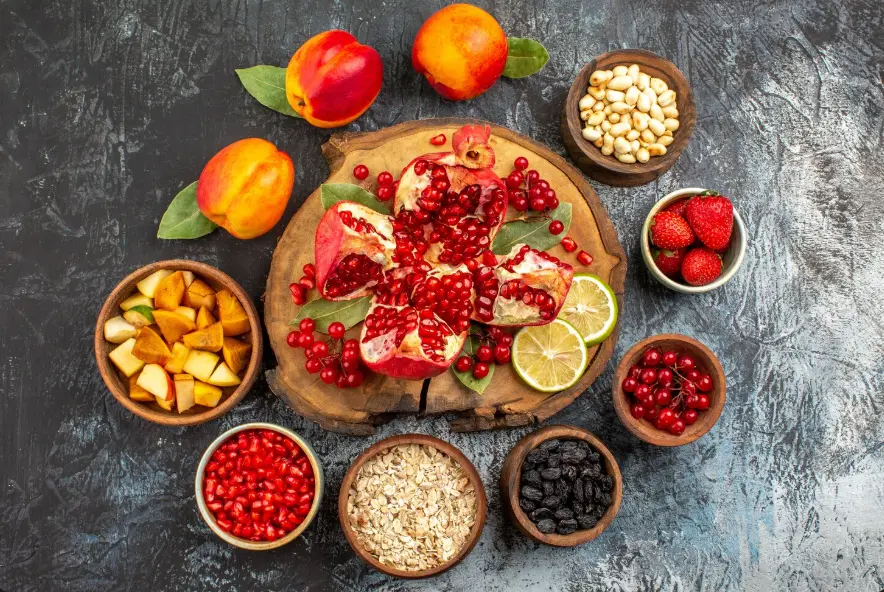
Common antioxidant-rich vegetables include:
These vegetables contain vitamins, carotenoids, and flavonoids that protect the body against oxidative stress.
Leafy greens like spinach are particularly beneficial because they provide iron, vitamin C, and plant compounds that support detoxification.
Nuts and seeds provide vitamin E and healthy fats that help protect cells.
Examples include:
Adding a handful of nuts to daily meals can significantly increase antioxidant intake.
Indian cuisine includes many spices that are naturally rich in antioxidants.
Some examples are:
Turmeric contains curcumin, a compound known for its anti-inflammatory and antioxidant properties. These spices not only enhance flavor but also support overall health.

Yes, antioxidants play an important role in protecting the skin from environmental pollutants.
The skin acts as the body’s outer barrier, constantly exposed to air pollution, UV radiation, and environmental toxins. These factors generate free radicals that damage skin cells and accelerate aging.
Pollution-related oxidative stress can cause:
Antioxidants such as vitamin C, vitamin E, and polyphenols help neutralize free radicals on the skin’s surface. They also support collagen production and maintain skin structure.
Many skincare products now include antioxidants to help protect against environmental damage.
However, dietary antioxidants are equally important because they support skin health from within. Eating fruits and vegetables rich in antioxidants can improve skin resilience and reduce the effects of pollution. (5)
Antioxidant supplements may be useful in certain situations, but they should not replace a balanced diet.
People who have limited access to fresh fruits and vegetables or who have specific nutrient deficiencies may benefit from supplements such as vitamin C, vitamin E, or omega-3 fatty acids.
Some antioxidants such as astaxanthin and coenzyme Q10 are also studied for their ability to reduce oxidative stress and support cellular health.
However, excessive supplementation may lead to unwanted side effects. For example, extremely high doses of certain vitamins may interfere with the body’s natural balance.
For most individuals, the best strategy is to obtain antioxidants from natural food sources and maintain a healthy lifestyle.
Supplements should be used only after consulting a qualified healthcare professional.
Improving antioxidant protection does not require expensive treatments or complex diets. Simple daily habits can strengthen the body’s natural defenses.
Proper nutrition helps the body fight oxidative stress and environmental toxins. However, the way nutrients are absorbed also matters for their effectiveness. You can learn more about liposomal technology for gut health and how advanced delivery systems help improve nutrient absorption and digestive support.
Include fruits, vegetables, whole grains, and nuts in daily meals. Aim for a variety of colors on the plate, as different colors indicate different antioxidants.
Green tea, herbal tea, and lemon water contain polyphenols that support detoxification and reduce oxidative stress.
Regular exercise improves circulation and enhances the body’s natural antioxidant defenses.
Sleep allows the body to repair damaged cells and restore antioxidant balance.
Using masks during high pollution days, installing air purifiers indoors, and maintaining good ventilation can help reduce exposure.
Chronic stress increases oxidative stress in the body. Meditation, yoga, and relaxation techniques may help restore balance.
Adopting these habits can significantly improve the body’s resilience against environmental toxins.

Raising awareness about the importance of antioxidants can help communities adopt healthier lifestyles. Public health campaigns can encourage people to consume traditional foods rich in antioxidants, such as amla, turmeric, and leafy greens. Schools can also promote healthy eating habits by including nutrition education in their programs. Local markets and community initiatives can support access to fresh fruits and vegetables, making it easier for families to maintain antioxidant-rich diets.
When combined with environmental policies aimed at reducing pollution, these efforts can improve public health outcomes across the country. Air pollution continues to be a major health challenge in India, affecting millions of people each year. Exposure to pollutants increases oxidative stress in the body, which can damage cells and contribute to chronic diseases. Antioxidants provide a natural defense against these harmful effects. The role of antioxidant compounds is to neutralize free radicals, reduce inflammation, and protect vital organs.
By increasing antioxidant protection through diet and lifestyle changes, individuals can strengthen their body’s resilience against pollution.
Consuming antioxidant-rich foods such as fruits, vegetables, nuts, and traditional Indian spices can significantly improve overall health. Combined with healthy habits like exercise, stress management, and adequate sleep, antioxidants can help people maintain wellness even in polluted environments.
While antioxidants cannot completely eliminate the risks of pollution, they offer a powerful and practical way to protect the body and support long-term health.
Vitamins such as vitamin C, vitamin E, beta-carotene, and polyphenols act as antioxidants against air pollution. Foods like amla, citrus fruits, spinach, turmeric, and green tea help neutralize free radicals caused by pollutants.
Antioxidants fight disease by neutralizing free radicals that damage cells. This reduces oxidative stress and inflammation, which helps lower the risk of conditions like heart disease, respiratory problems, and certain chronic illnesses.
You can increase immunity by eating antioxidant-rich foods, drinking enough water, exercising regularly, getting enough sleep, and consuming fruits, vegetables, nuts, and herbal drinks like tulsi or green tea.
Yes, antioxidants help prevent spoilage by slowing oxidation, which is the chemical process that causes food to deteriorate. This helps maintain food freshness, flavor, and nutritional value.
This content is for general awareness and educational purposes only. It is not a substitute for professional medical advice, diagnosis, or treatment. Always consult your doctor, nutritionist, or qualified healthcare professional starting any new supplement or making changes to your diet or lifestyle.