Physical Address
304 North Cardinal St.
Dorchester Center, MA 02124
Physical Address
304 North Cardinal St.
Dorchester Center, MA 02124


A complete guide to the Best Supplements for Men, covering men's health supplements, vitamins, testosterone support, heart health, and expert FAQs with trusted medical resources.
Quick Summary
This guide explains how the Best Supplements for Men support energy, muscle strength, heart health, immunity, and hormone balance. It covers essential men health supplements, diet and lifestyle tips, testosterone support, supplement safety, and expert FAQs to help men choose the right daily supplements.
Featured Snippet:
The best supplements for men include a men-specific multivitamin for daily nutrition, vitamin D for bone and hormone support, omega-3 fatty acids for heart and brain health, magnesium for muscle and sleep support, zinc for immune and testosterone support, and protein for muscle recovery. These men's health supplements work best when combined with a balanced diet, regular exercise, good sleep, and stress management to support long-term male health and vitality.
Many factors, including lifestyle, stress, diet quality, physical activity, sleep patterns, and age, influence men’s health. From building muscle and maintaining energy levels to supporting heart health, hormone balance, and mental focus, men have distinct nutritional needs throughout their lives. While a balanced diet should always be the foundation of good health, targeted supplementation can help fill nutritional gaps and support long-term wellness.
This in-depth guide explores the Best Supplements for Men, explains how different nutrients support male health, and highlights how men’s health supplements can complement a healthy lifestyle. You will also find evidence-based resource links from trusted health organizations to help you make informed choices.
Modern lifestyles often involve long work hours, high stress, limited sleep, and inconsistent meal patterns. These factors can lead to nutrient deficiencies, fatigue, low immunity, and reduced performance. Men may also have higher protein and calorie needs, especially if physically active. As men age, testosterone levels naturally decline, and the risk of cardiovascular disease, metabolic disorders, and joint issues increases.
The Best Supplements for Men are designed to support key areas such as:
When used responsibly, men health supplements can help address specific needs and support overall wellness. However, supplements should never replace healthy eating, regular exercise, and proper medical care.
Resource: NIH – Dietary Supplements: What You Need to Know [1].
Men often rely on convenience foods and irregular meals, which can lead to low intake of essential vitamins and minerals such as magnesium, zinc, vitamin D, and omega-3 fatty acids. Over time, these deficiencies may impact energy levels, hormone balance, muscle function, and cardiovascular health.
The Best Supplements for Men are most effective when chosen based on individual needs, lifestyle, and health goals. Some men may focus on muscle building and performance, while others may prioritize heart health, stress management, or healthy aging. Men health supplements can be tailored to these goals, but it is important to consult a healthcare provider before starting any new supplement routine, especially if you take medications or have medical conditions.
Resource: FDA – Using Dietary Supplements Safely [2].
Below is a detailed breakdown of evidence-based supplements that support male health across different life stages.
A men-specific multivitamin provides a foundational layer of essential nutrients, often with less iron and higher zinc and B vitamins compared to women’s formulas.
Benefits:
Resource: NIH – Multivitamin and Mineral Supplements [3]
Vitamin D plays a vital role in bone health, immune function, muscle strength, and hormone regulation. Many men are deficient due to limited sun exposure and low dietary intake.
Benefits:
Resource: NIH – Vitamin D Fact Sheet [4].
Omega-3 fatty acids support heart, brain, and joint health. They are especially important for men at risk of cardiovascular disease.
Benefits:
Resource: NIH – Omega-3 Fatty Acids [5].
Magnesium is involved in hundreds of enzymatic reactions in the body and is often low in modern diets.
Benefits:
Resource: NIH – Magnesium Fact Sheet [6].
Zinc is essential for immune function, wound healing, and testosterone production. Men who are physically active or under high stress may require more zinc.
Benefits:
Resource: NIH – Zinc Fact Sheet [7].
Protein intake is critical for muscle growth, recovery, and metabolic health. Men who train regularly or struggle to meet protein needs through food may benefit from protein supplements.
Benefits:
Resource: Harvard Health – Protein: Why Your Body Needs It [8]
Creatine is one of the most researched supplements for strength, power, and muscle performance.
Benefits:
Resource: International Society of Sports Nutrition – Creatine Position Stand [9]

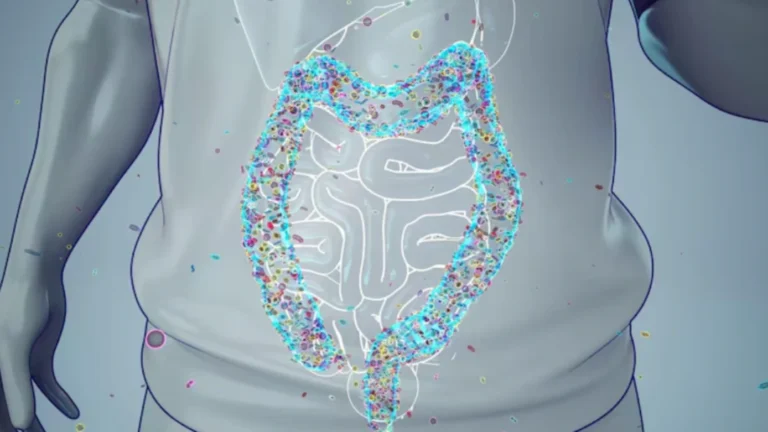
Gut health influences immunity, digestion, nutrient absorption, and even mental health.
Benefits:
Resource: NCCIH – Probiotics [10]
Certain herbs, such as ashwagandha and rhodiola, are used to support stress resilience and overall vitality.
Benefits:
Resource: NCBI – Adaptogens Review [11]
Supplements work best when combined with a healthy diet and lifestyle. Whole foods provide fiber, antioxidants, and phytonutrients that supplements alone cannot replicate. A balanced diet for men should include:
The USDA FoodData Central database is a useful tool for checking nutrient content in foods [12]
In addition to diet, regular exercise, adequate sleep, and stress management significantly influence how well men health supplements support overall wellness.
Heart disease remains a leading cause of death among men. Lifestyle factors such as diet, exercise, and stress play a major role in cardiovascular health.
Key supplements for heart support include:
Resource: Harvard Health – Heart-Healthy Supplements [13].
Testosterone naturally declines with age, which can affect energy, muscle mass, mood, and libido. While supplements cannot replace medical treatment for low testosterone, certain nutrients support healthy hormone function.
Helpful nutrients include:
Resource: Endocrine Society – Testosterone and Aging [14].
Not all supplements are created equal. When selecting men health supplements, look for:
Always consult a healthcare provider before starting supplements, especially if you have existing health conditions or take medications.
Resource: FDA – Dietary Supplement Safety [15].

The Best Supplements for Men can be valuable tools for supporting energy, strength, heart health, hormone balance, and overall vitality. When chosen wisely and combined with a healthy lifestyle, men health supplements can help men maintain performance and well-being at every stage of life.
The key is personalization. What works for one person may not be ideal for another. Focus on building a strong foundation with whole foods, exercise, quality sleep, and stress management, and use supplements strategically to support your long-term health goals.
There is no single “best” supplement for every man, because needs vary based on age, diet, activity level, and health goals. However, most men benefit from a strong daily foundation that includes:
These support overall wellness when combined with a balanced diet and healthy lifestyle.
The top three supplements most commonly recommended for men’s general health are:
These three address some of the most common nutritional gaps in men.
The best vitamin supplement for men is typically a high-quality men’s multivitamin that is third-party tested and formulated with appropriate levels of B vitamins, vitamin D, zinc, and magnesium, while usually containing little to no iron (unless recommended by a doctor). The “best” choice depends on your age, diet, and specific health needs.
Surbex Z is a multivitamin and mineral supplement that contains B-complex vitamins, vitamin C, and zinc. It may be helpful for men who have nutritional deficiencies, low energy levels, or increased nutritional needs due to stress or illness. However, it is not a complete men’s health supplement and should not replace a balanced diet or a men-specific multivitamin. It is best used under medical guidance, especially for long-term use.
No supplement can medically replace testosterone therapy when clinically low levels are present. However, certain nutrients support healthy testosterone production when levels are low due to deficiencies. These include:
Herbal supplements such as ashwagandha may support stress reduction, which can indirectly support healthy hormone levels. Supplements work best alongside proper sleep, exercise, and stress management.
Yes, Testosterone Replacement Therapy (TRT) is legal in India when prescribed by a qualified medical professional for diagnosed low testosterone (hypogonadism). TRT should only be used under medical supervision, as improper use can lead to serious side effects. It is not legal to use prescription testosterone without a valid prescription.
There is no safe or guaranteed way to raise testosterone to a specific number such as 1000 ng/dL naturally. Testosterone levels vary by age, genetics, and health status. Healthy lifestyle habits can support optimal natural testosterone levels, including:
If testosterone levels are clinically low and causing symptoms, a doctor may evaluate whether medical treatment is appropriate.
This content is for general awareness and educational purposes only. It is not a substitute for professional medical advice, diagnosis, or treatment. Always consult your doctor, nutritionist, or qualified healthcare professional starting any new supplement or making changes to your diet or lifestyle.