Physical Address
304 North Cardinal St.
Dorchester Center, MA 02124
Physical Address
304 North Cardinal St.
Dorchester Center, MA 02124

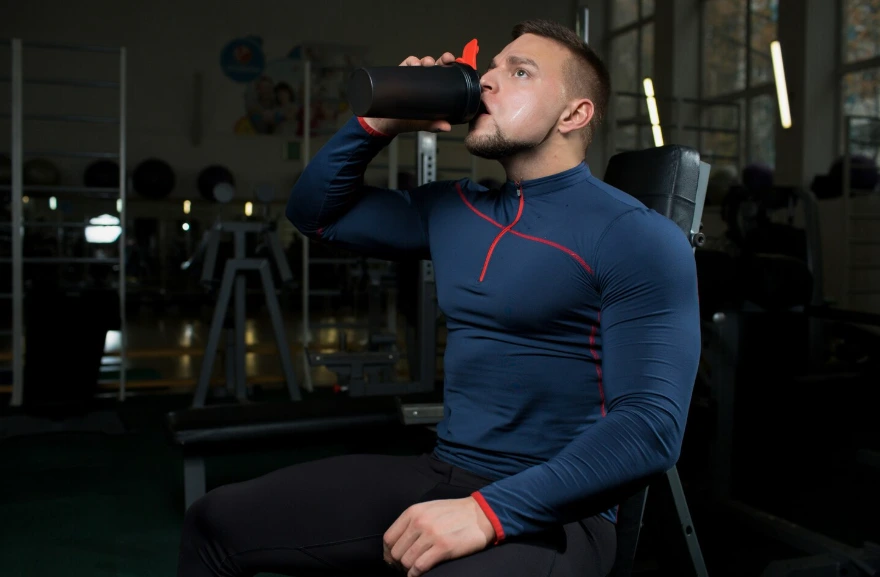
Recovery supplements help athletes repair muscle tissue, reduce soreness, restore energy, and improve performance after intense training. From protein and creatine to electrolytes and omega-3s, the right recovery strategy supports faster muscle repair and prepares the body for the next workout.
Quick Summary
- Protein is the foundation of muscle recovery
- Creatine improves strength and energy restoration
- Carbohydrates replenish glycogen stores
- Electrolytes restore hydration balance
- Omega-3s help reduce inflammation
- Sleep and proper nutrition enhance supplement effectiveness
- The best recovery supplement depends on your sport and training intensity
Featured Snippet:
The best recovery supplements for athletes include protein, creatine, carbohydrates, electrolytes, and omega-3 fatty acids. These nutrients help repair muscle tissue, restore energy, reduce soreness, and improve post-workout recovery for better performance and faster muscle repair.
Athletes push their bodies to the limit. Whether you’re lifting heavy weights, sprinting, cycling long distances, or competing in team sports, intense training causes muscle breakdown, inflammation, and energy depletion. Progress doesn’t happen during the workout; it happens during recovery.
Athletic success is built on two pillars: training and recovery. While most athletes focus heavily on pushing harder in the gym or on the field, true performance gains happen during the recovery phase. Muscles rebuild, energy stores replenish, and the nervous system resets.
This is where recovery supplements play a powerful role.
Used correctly, recovery supplements can help reduce soreness, accelerate muscle repair, replenish glycogen stores, and prepare the body for the next training session. In this comprehensive guide, we’ll explore the science behind recovery, examine the best recovery supplement options, review muscle recovery supplements and post-workout supplements, and explain how to build an evidence-based recovery strategy.
Every intense workout creates controlled stress on the body:
According to research supported by the National Institutes of Health, muscle protein synthesis (MPS) increases after resistance training — but it requires adequate protein and nutrients to maximize repair.¹
Without proper recovery:
This is why recovery is just as important as the workout itself.
Recovery supplements are nutritional products designed to:
They are most commonly used after training but can also be part of a daily regimen depending on the supplement type.
Protein is the most essential of all muscle recovery supplements.
Exercise causes muscle breakdown. Protein provides amino acids that rebuild damaged fibers stronger than before.²
The International Society of Sports Nutrition recommends consuming 20–40 grams of high-quality protein within two hours after training to maximize muscle protein synthesis.³
Whey Protein
Casein Protein
Plant-Based Protein
For many athletes, protein powder is considered the best recovery supplement because of its strong scientific backing and convenience.
Proper nutrition plays a critical role not only for athletes but also for students who require sustained mental energy for learning. You can explore this in detail in our guide on Best Nutrients for Focus & Energy in Students
Creatine is one of the most researched supplements in sports science.
The American College of Sports Medicine supports creatine use for improving high-intensity performance and enhancing recovery between repeated efforts.⁴
Recommended dose: 3–5 grams daily.
Creatine consistently ranks among the top recovery supplements for strength and power athletes.
After intense exercise, glycogen stores are depleted. Without carbohydrate intake, recovery slows and fatigue lingers.⁵
Carbohydrate-based post-workout supplements are particularly beneficial for endurance athletes and those training multiple times per day.
BCAAs include:
Research suggests BCAAs may support recovery when total protein intake is insufficient.⁶
However, athletes consuming adequate protein may already meet their BCAA requirements.
Intense training increases inflammation. Omega-3 fatty acids help regulate this process.⁷
Daily intake of 1–3 grams of EPA and DHA is commonly recommended for athletes.
Sweating causes the loss of key minerals, including:
Electrolyte-based post-workout supplements help:
They are essential for endurance athletes and those training in hot environments.
High-impact sports place stress on connective tissues.
Research suggests collagen supplementation combined with vitamin C may support tendon repair and improve joint health.⁹
This makes collagen a valuable addition to muscle recovery supplements for runners, basketball players, and weightlifters.
Intense training can temporarily suppress immune function.¹⁰
Glutamine supplementation (5–10 grams daily) may:
Evidence remains mixed, but many endurance athletes use glutamine during intense training cycles.
Magnesium helps regulate muscle contraction and relaxation.¹¹
Since sleep plays a major role in muscle repair, magnesium indirectly supports recovery.
Tart cherry extract contains antioxidants called anthocyanins.
Studies suggest it may:
This natural recovery aid is becoming increasingly popular among elite athletes.
Consistency matters more than perfect timing.
There is no universal best recovery supplement. Effectiveness depends on the sport, training volume, and recovery needs.
Supplements are convenient, but whole foods work effectively too:
Whole foods also provide vitamins, minerals, and antioxidants that support recovery.

Recovery supplements support the body they cannot replace proper rest and nutrition.
Athletes should choose products that are:
Competitive athletes should prioritize certified supplements to avoid contamination risks.
Not always.
Athletes with:
May recover effectively without heavy supplementation.
However, recovery supplements become valuable when:
Optimal recovery includes:
Nutrition plays a crucial role in recovery, but lifestyle ultimately determines long-term athletic success.
Training creates the stimulus. Recovery creates the results.
Strategic use of recovery supplements can:
For most athletes, the foundation of muscle recovery supplements includes:
From there, additional post-workout supplements can be added depending on individual needs. The best recovery supplement is one that aligns with your sport, supports your training volume, and is used consistently.
Train hard. Recover smarter. Perform stronger.
The best supplement for muscle recovery depends on your training intensity and nutritional needs, but several options are widely supported by sports science.
Top recovery supplements include:
1. Protein (Whey or Plant-Based)
Protein helps repair and rebuild muscle fibers after intense workouts. The International Society of Sports Nutrition recommends consuming 20–40 grams of protein post-workout to support muscle protein synthesis.
2. Creatine Monohydrate
Creatine improves strength recovery and replenishes ATP energy stores, making it one of the most researched supplements for athletic performance.
3. Omega-3 Fatty Acids
Omega-3s help reduce inflammation and muscle soreness, supporting faster recovery after strenuous training.
4. Electrolytes
Electrolytes help restore hydration and maintain proper muscle function after sweating during exercise.
5. Magnesium
Magnesium supports muscle relaxation, reduces cramping, and helps improve sleep quality, which is critical for recovery.
Best overall combination:
Protein + carbohydrates + creatine is often considered the most effective recovery strategy for athletes.
Fast muscle recovery requires a combination of proper nutrition, rest, and smart training habits.
1. Consume Protein After Workouts
Eating protein within 30–60 minutes after exercise helps repair damaged muscle fibers.
2. Replenish Carbohydrates
Carbohydrates restore glycogen stores that fuel muscles during exercise.
3. Stay Hydrated
Water and electrolytes help maintain muscle function and prevent fatigue.
4. Prioritize Sleep
Getting 7–9 hours of sleep allows the body to release growth hormone and repair tissues.
5. Use Active Recovery
Light activities like walking, stretching, or cycling improve blood circulation and reduce stiffness.
6. Consider Recovery Supplements
Creatine, omega-3 fatty acids, magnesium, and tart cherry extract may help reduce muscle soreness and inflammation.
The fastest recovery happens when nutrition, hydration, sleep, and supplementation work together.
Drinking the right beverages before exercise helps improve energy, endurance, and workout performance.
1. Water
Hydration is essential. Drink 400–600 ml of water about 1–2 hours before exercise.
2. Black Coffee
Coffee contains caffeine, which can improve focus, energy levels, and exercise performance.
3. Green Tea
Provides mild caffeine and antioxidants that support metabolism and endurance.
4. Pre-Workout Drinks
Some athletes use pre-workout supplements containing caffeine, beta-alanine, and amino acids for energy and focus.
5. Smoothies
A smoothie with fruit, yogurt, and protein can provide carbohydrates and amino acids for sustained energy.
Avoid sugary drinks or heavy meals immediately before workouts, as they can cause energy crashes or digestive discomfort.
This content is for general awareness and educational purposes only. It is not a substitute for professional medical advice, diagnosis, or treatment. Always consult your doctor, nutritionist, or qualified healthcare professional starting any new supplement or making changes to your diet or lifestyle.