Physical Address
304 North Cardinal St.
Dorchester Center, MA 02124
Physical Address
304 North Cardinal St.
Dorchester Center, MA 02124


Liposomal nutrition supports better focus, memory, and overall brain health through improved nutrient absorption.
Quick Summary
 Liposomal supplements for brain health are becoming popular because they help the body absorb nutrients more effectively. This blog explains how liposomal delivery works, how it supports memory, focus, and cognitive support, and why it is relevant for modern Indian lifestyles. Simple examples and science-backed insights make the topic easy to understand.
Featured Snippet:
Brain health liposomal supplements use liposomes, tiny fat-like bubbles, to deliver nutrients directly into cells. This improves absorption, supporting better focus, stronger memory, and overall cognitive function compared to regular supplements.
Modern lifestyles place constant pressure on the brain. Long work hours, academic stress, competitive work environments, screen exposure, irregular sleep, multitasking, traffic stress, and digital overload have become part of everyday life. Many people notice mental fatigue, reduced focus, forgetfulness, and slower thinking even when they feel physically rested.
In India, urban lifestyles often include long commuting hours, late-night screen usage, and limited time for balanced meals. Over time, these patterns can affect focus, memory, and overall cognitive support.
This is where brain health liposomal nutrition becomes relevant. Liposomal supplements deliver nutrients in a form that the body can absorb more efficiently. Traditional supplements often break down in stomach acid, meaning only part of the nutrient reaches the bloodstream. Scientific research on liposomes as advanced nutrient delivery systems shows that liposomes protect nutrients and improve absorption into cells, including brain cells [1].
Better absorption supports mental clarity, steady concentration, stronger memory, and long-term cognitive support. As awareness around mental performance grows, liposomal nutrition is becoming an important option for people seeking long-term brain health. Liposomal Omega-3 (DHA & EPA) is especially important for brain structure, memory, and cognitive support. If you want a deeper breakdown of how liposomal omega-3 benefits both brain and heart health, read our detailed guide on liposomal omega-3 for brain and heart benefits:
Many people find liposomal technology confusing, but the idea is simple. When you take a regular tablet or capsule, the nutrient is exposed to stomach acid and digestive enzymes. A large portion may get destroyed before it can be absorbed. Scientific explanations of liposomes as drug and nutrient delivery systems show how liposomes help nutrients pass through digestive barriers [2].
A liposome is a microscopic bubble made of fat-like molecules (phospholipids), similar to human cell membranes. Because of this similarity, liposomes can merge with cell membranes and deliver nutrients directly into the bloodstream and tissues.
Simple comparison:
This delivery system is what makes brain health liposomal supplements more effective than standard tablets for focus, memory, and cognitive support.
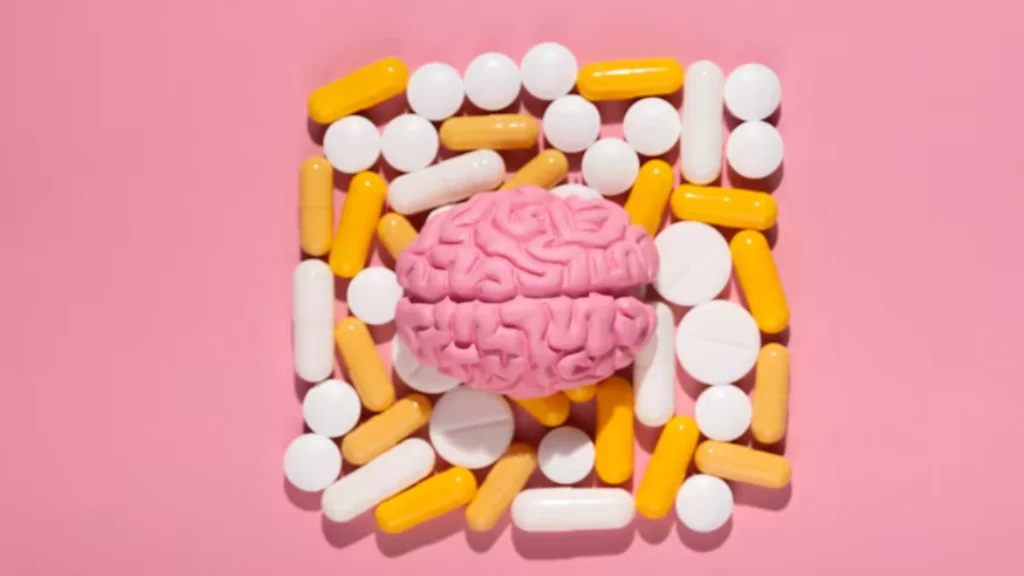
Maintaining focus has become difficult for students, professionals, entrepreneurs, and even homemakers managing multiple responsibilities. Digital distractions, stress, and mental overload reduce attention span.
The brain needs nutrients such as choline, vitamin B12, and omega-3 fatty acids to maintain attention and alertness. According to the NIH choline fact sheet, choline supports neurotransmitter production and memory pathways [3].
The brain consumes a large amount of energy daily. The NIH vitamin B12 fact sheet explains how B12 supports nerve function and mental clarity [4]. Better nutrient absorption helps the brain maintain stable energy levels, reducing mental fatigue and improving focus.
Focus depends on neurotransmitters like dopamine and acetylcholine. Liposomal delivery helps nutrients reach the brain in usable amounts, supporting healthy neurotransmitter balance.
People managing long work hours, competitive exams, or multitasking benefit from improved nutrient delivery, which supports sustained attention and mental stamina.
Memory plays a role in daily tasks, learning, decision-making, and professional performance. Many people notice that they forget names, misplace items, or struggle to recall details.
DHA is a structural fat in the brain. The NIH omega-3 fatty acids fact sheet explains DHA’s role in brain structure and memory [4]
Research on nutrition and brain development and function shows that nutrients support neuron communication and memory processing [5].
Pollution, stress, and poor sleep increase oxidative stress, damaging brain cells. The NIH vitamin C fact sheet explains how antioxidants protect brain tissue [6].
As people age, memory may decline. Liposomal nutrients offer stronger absorption, supporting long-term memory and cognitive support.

Cognitive support includes thinking, planning, problem-solving, creativity, learning, emotional balance, and decision-making.
DHA is a major part of brain cell membranes. The NHS omega-3 guidance explains how omega-3 fatty acids support brain structure [7].
Curcumin has antioxidant properties. Research on curcumin and cognitive health shows its supportive role in brain protection [8].
Harvard Health highlights how brain-friendly foods and nutrients support brainpower [8].
Some nutrients benefit significantly from liposomal delivery:
| Feature | Regular Supplements | Liposomal Supplements |
|---|---|---|
| Absorption | Moderate to low | High |
| Protection from stomach acid | Poor | Strong |
| Reaches brain cells | Limited | More effective |
| Speed of action | Slower | Faster |
| Ideal for brain health | Partial | More reliable |
Most liposomal supplements are considered safe when used as directed. The National Institute on Aging’s guidance on cognitive health recommends consulting a healthcare professional before starting supplements, especially for older adults.
The best nutrition for brain health includes a balanced diet rich in omega-3 fatty acids, antioxidants, protein, healthy fats, vitamins, and minerals. Key foods include fatty fish (salmon, sardines), eggs, nuts, seeds, leafy greens, berries, whole grains, and legumes. These nutrients support memory, focus, nerve function, and long-term cognitive health. Staying hydrated and maintaining stable blood sugar levels also play an important role in brain function.
Liposomal nutrients are nutrients enclosed in tiny fat-like particles called liposomes. This delivery system may improve absorption and protect certain nutrients from being broken down in the digestive tract. Liposomal forms of vitamin C, glutathione, and some B vitamins may increase bioavailability in some cases. However, liposomal supplements are not always necessary, and whole-food sources of nutrients remain the best foundation for brain health.
No single supplement is best for brain development for everyone. However, omega-3 fatty acids (especially DHA), iron, iodine, vitamin B12, folate, and choline are important for brain development, particularly during pregnancy, infancy, and childhood. Supplement needs depend on age, diet, and individual health status. It is best to consult a healthcare professional before starting supplements for brain development.
Both DHA and EPA are important omega-3 fatty acids, but DHA plays a more direct structural role in the brain. DHA is a major component of brain cell membranes and is especially important for brain development, memory, and cognitive function. EPA supports brain health indirectly by helping regulate inflammation and blood flow. For overall brain health, a combination of DHA and EPA is beneficial, with DHA being especially important for development and cognitive function.
This content is for general awareness and educational purposes only. It is not a substitute for professional medical advice, diagnosis, or treatment. Always consult your doctor, nutritionist, or qualified healthcare professional starting any new supplement or making changes to your diet or lifestyle.